The problem — quiet ponds, hidden trouble
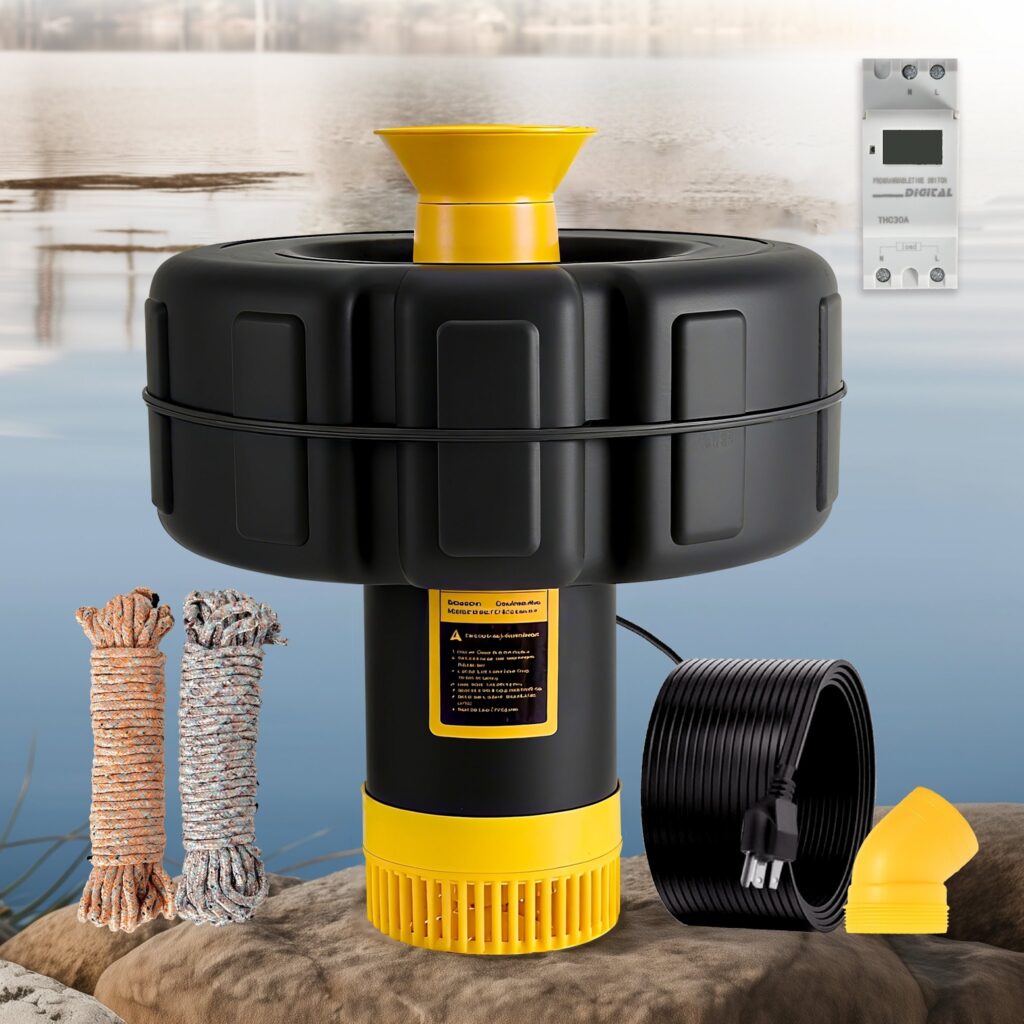
When a backyard pond or ornamental lagoon feels like it’s holding its breath, you’re likely looking at dead zones and air stagnation that hurt water quality and aquatic life. Start with a targeted tool: a water aerator for pond can restore circulation fast, and a dedicated fountain aerator adds both movement and aesthetic value. In practice, the fix is less about a single gadget and more about matching pump capacity and diffuser placement to the shape of the basin — and yes, little details like intake hose length matter for real-world performance.
Why circulation designs usually miss the mark
Most problems come from assuming water moves the same everywhere. Shallow corners, hidden shelves, and steep slopes trap warm, low-oxygen water. Biologists and municipal managers often point to dissolved-oxygen thresholds — under about 5 mg/L fish and beneficial microbes get stressed — so these pockets become hotspots for algae and odor. Infrastructure meant for clean lakes doesn’t always translate to small decorative ponds, so retrofit solutions tend to work better than one-size-fits-all approaches.
How to diagnose dead zones quickly
Walk the perimeter with a simple probe or thermometer. Look for warm surface layers over cold bottoms, floating scum, or a ring of algae at the edge. Use a simple test kit to measure dissolved oxygen in a few spots — that gives you a map of trouble. If the wind only moves the top inch, but the deeper water stays still, you’ve found a dead zone. Also check equipment layout: is your pump outlet pushing against a wall? Is the return too shallow? Those small layout errors change the whole circulation pattern.
Practical fixes that work for tricky shapes
First, think circulation, not just splash. A submersible fountain creates surface motion but may not pull bottom water up. A diffuser or aeration stone placed near the deepest point will rise bubbles that promote whole-column oxygenation. Choose an appropriately rated air pump and match the diffuser type to depth and flow needs. For long narrow ponds, place two low-flow diffusers at opposite ends to create a gentle channel of movement rather than a single chaotic upwelling — that helps avoid stagnant corners.
Don’t forget maintenance: clogged diffusers, kinked intake hose, or partial blockages in the air line will reduce oxygen transfer — and they often hide until you lose fish. Regular seasonal flushing and a winter plan for ice cover keep the system effective year-round. —
Common mistakes and how to avoid them
1) Oversizing spectacle over function: a big spray looks impressive but may not oxygenate deep water. 2) Ignoring placement: an aerator in the wrong spot does little for dead corners. 3) Skipping simple diagnostics: owners replace pumps before they realize a diffuser is blocked. Fixes are usually low-tech: reorient the outlet, add a second diffuser, or reduce debris entry with a guard on the intake.
Choosing the right fountain aerator: what really matters
Match device capacity to volume and shape. Consider power draw, ease of service, and whether the unit supports timer or float-switch controls for seasonal operation. Look for robustness in wet environments — stainless fittings, easily cleaned diffusers — because small corrosion or biofilm buildup is the usual failure mode. If you want a rustic aesthetic, choose models that hide the hardware but keep the functional parts accessible for maintenance; form without function is decoration only.
Three golden rules for evaluation
1) Measure before you buy: calculate pond volume and map stagnant spots. Use that data to size the air pump and choose diffuser types that suit depth and layout. 2) Prioritize oxygen transfer efficiency: smaller bubbles from a proper diffuser raise dissolved oxygen faster than big splashy jets. 3) Design for maintenance: ensure access to air lines, diffusers, and intake points so regular cleaning is painless.
Follow those rules and you’ll convert a fussy water feature into a healthy ecosystem — and that’s where Orison’s practical solutions fit naturally because they combine reliable aeration hardware with simple controls for seasonal use. Orison. —
