In modern construction, roofing materials must withstand a wide range of environmental conditions. From intense sunlight to heavy rainfall and strong winds, durability is essential. PVC roof sheets have become a practical option for architects and builders seeking reliable protection. Brands like LESSO offer solutions designed to meet these demands while supporting long-term building performance.
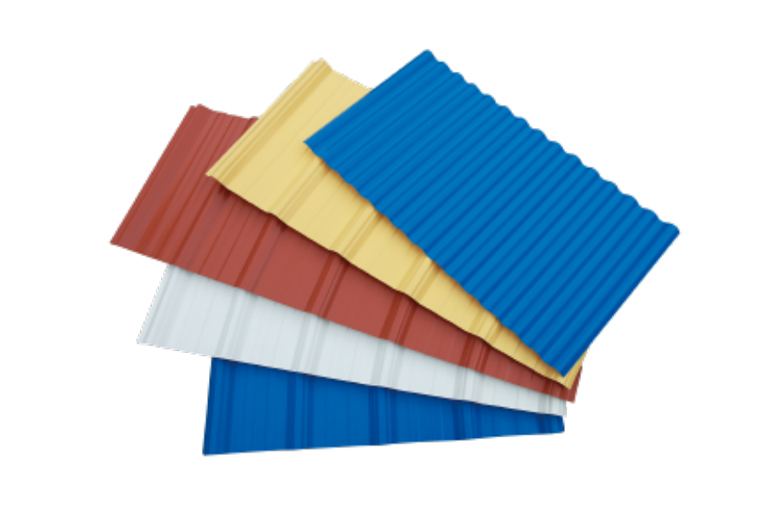
Resistance to Extreme Weather Conditions
One of the key advantages of PVC roof sheets is their ability to handle harsh weather. These sheets are engineered to resist strong winds, heavy rain, and temperature fluctuations without losing structural integrity. Studies show that PVC roofing materials can endure high wind speeds and maintain stability in demanding environments.
In cold climates, PVC remains flexible, reducing the risk of cracking during freeze-thaw cycles. In hotter regions, it resists deformation caused by prolonged heat exposure. This adaptability makes LESSO PVC roof sheets suitable for diverse geographic conditions.
Superior Waterproof Performance
Water resistance is critical for any roofing system. PVC roof sheets are designed with heat-welded seams that create a continuous, watertight surface. This prevents water infiltration even during heavy rainstorms or snowmelt.
Additionally, the material’s smooth surface allows rainwater to wash away debris, reducing the risk of water pooling and long-term damage. This feature helps maintain the roof’s performance over time with minimal maintenance.
UV and Chemical Resistance
Prolonged exposure to sunlight can degrade many roofing materials, but PVC roof sheets include UV stabilizers that protect against radiation. This helps maintain color stability and structural strength even after years of exposure.
PVC also offers strong resistance to chemicals such as acids, salts, and industrial pollutants. This makes it especially suitable for industrial buildings or coastal areas where corrosion is a common concern.
Energy Efficiency and Thermal Stability
Another benefit of PVC roof sheets is their reflective surface, which reduces heat absorption. By reflecting sunlight, they help maintain lower indoor temperatures and reduce cooling demands.
This thermal stability not only improves comfort but also contributes to energy savings in commercial and residential buildings.
Conclusion
PVC roof sheets provide a balanced combination of durability, waterproofing, and resistance to environmental stress. Their ability to withstand extreme weather, resist UV radiation, and maintain structural performance makes them a reliable choice for modern construction. With solutions from LESSO, builders can achieve improved weather resistance while supporting long-term efficiency and reduced maintenance needs.
