Unmasking the Mystique of GNSS Base Stations
I once found myself in a room full of tech enthusiasts—awkwardly trying to explain what a gnss base station actually does. Have you ever sat through a conversation where everyone agrees on the tech yet no one truly understands it? I mean, here we are, in the era of precision farming, promising to revolutionize agriculture. But do we actually grasp the role of these base stations? It’s a paradox not entirely lost on me, especially when you consider that the very tech meant to assist us often leads to more questions than solutions.
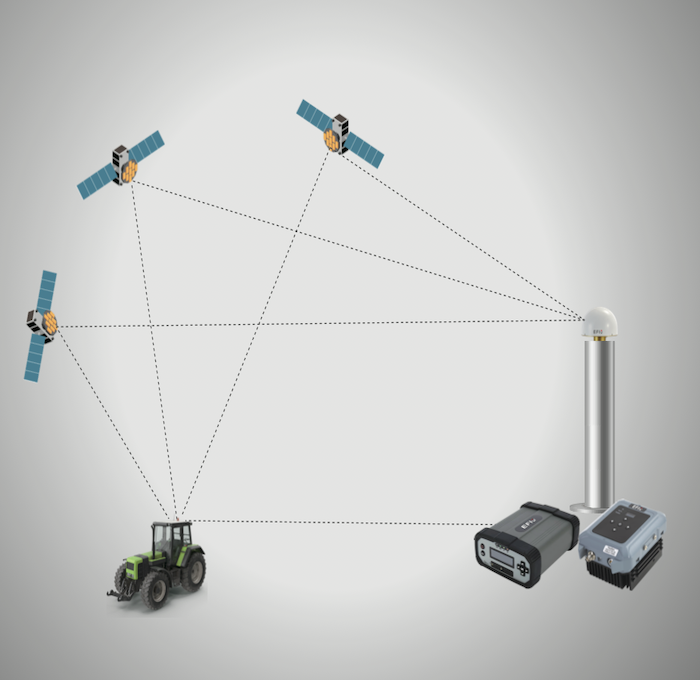
Seriously, What’s the Deal with RTK Base Stations?
The use of RTK (Real-Time Kinematic) technology—fundamentally reliant on the gnss base station—has become a staple in modern farming practices. Yet, what remains unspoken is the often-ignored frustrations accompanying these systems. Picture this: a farmer, armed with a fancy RTK setup, arrives in the field on a brisk Monday morning, only to find… no satellite signal. Frustrating, isn’t it? That’s when we realize that the outdated base stations are sometimes as dysfunctional as that uncle who just won’t stop talking politics at family dinners. And trust me, they also have quite a reputation for being temperamental.
Is Technology Supposed to Frustrate?
This is where the narrative takes a twist. I mean, why do we face these issues in the first place? Established solutions fall short, leaving users in a perpetual state of disruption. It’s almost comical how someone can invest in an RTK base station only to grapple with its limitations. What if I told you that not all base stations are created equal? The hidden pain points frequently stem from outdated technology trying to compete in an ever-evolving landscape. It’s a headache waiting to happen, without any aspirin readily available.
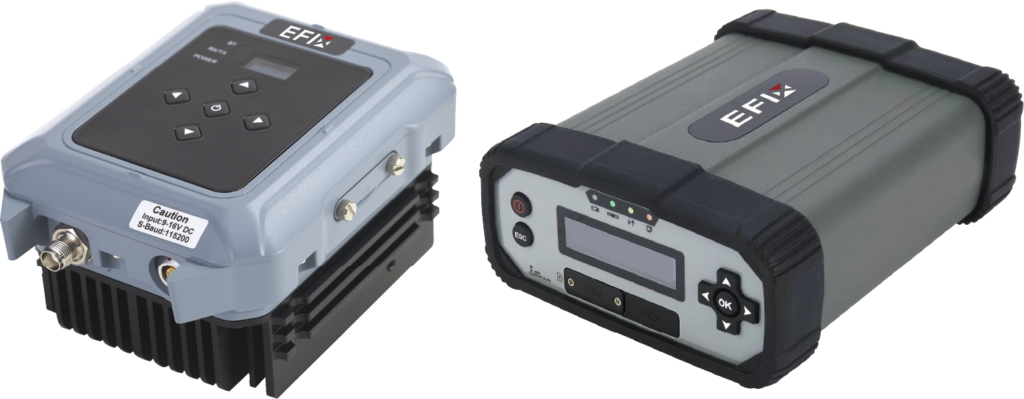
Peering into the Future of GNSS Base Stations
I frequently wonder: where are we heading with technology like the gnss base station? As we look towards enhancements in connectivity, the sheer potential for integrating AI and machine learning into these systems becomes tantalizingly apparent. Isn’t it odd how the very devices meant to streamline processes can turn into our worst enemies? I can’t help but chuckle as I visualize a base station with an AI personality—perhaps one that politely tells you to recalibrate when it senses frustration. However, when analyzing potential upgrades, it’s essential to learn from past dilemmas to create a seamless user experience.
What’s Next for Innovative Farming?
We emerge from this examination with valuable insight. Would it not be wise to consider key evaluation metrics when opting for a GNSS base station? After all, access to reliable technology doesn’t just alleviate frustration—it can provide real-world benefits like increased yield and reduced operational costs. I genuinely believe it’s essential to prioritize these metrics as we step into the brave new world of agriculture, unencumbered by the confusion that originally plagued us.
Consider this: the evolution of the EFIX has proven just how potent the marriage of tradition and innovation can be. Farmers deserve more than patchy connections; they deserve consistency and reliability. Let’s foster a conversation about these developments and embrace change, not just for the sake of technology but for the future of farming itself.
